



Family Finance for Expecting Parents​

Essentials Tools, Tips and Stratgies

Designed to help new and expecting parents

Welcoming a child brings joy and new financial considerations. This guide offers clear, practical support to help parents navigate financial decisions with confidence. Topics we cover include:

Insurance

Education Savings

Lending

Government
Benefits

Mortgages

And More...

National Planning Averages

Educational Grants Per Child

$ 0

Total Cost to Raise a Child

$ 0 K

Housing expenditure of budget

0 %

Monthly cost for Child Care

$ 0 +

From the Guide

Cost Saving Tips

  • Registry: Focus on essentials like car seat, crib, feeding supplies.
  • Second-hand: Use local buy-and-sell groups for big items (check safety).
  • Borrow short-term items: Bassinet, newborn clothes.
  • Watch for sales: End-of-season discounts for gear and clothing.
  • Loyalty programs: Use retailer points and registry completion discounts.
  • Protects your family’s financial stability by ensuring essential expenses—like housing, childcare, and daily living costs—are covered if something unexpected happens.
  • Provides income replacement during illness or injury through disability insurance, helping maintain your household budget even if you’re unable to work.
  • Covers growing healthcare needs by ensuring your baby has access to routine and specialized medical care through extended health and dental benefits.
  • Reduces stress during major life transitions, offering peace of mind knowing your family is protected from financial hardship.
  • Safeguards long‑term goals, such as your child’s education or your partner’s financial security, even if life doesn’t go as planned. 
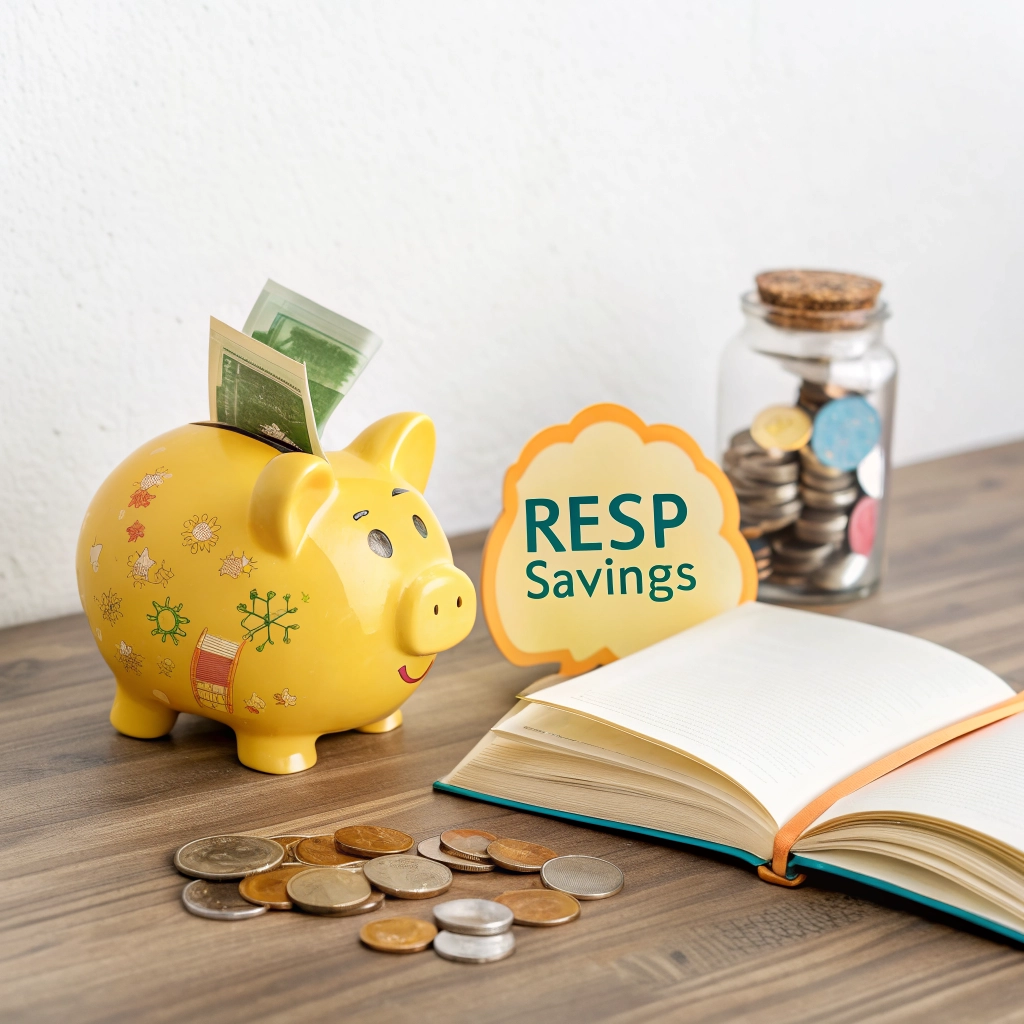
  • Helps make post‑secondary education more affordable by spreading savings over many years instead of facing large costs all at once.
  • Unlocks valuable government grants, such as the CESG—that automatically boost your savings simply for contributing.
  • Reduces future financial pressure by preparing early, preventing the need to rely on loans or high‑interest credit when education costs arise.
  • Gives your child more options and flexibility to pursue university, college, trade school, or other post‑secondary programs without financial barriers.
  • Allows small, consistent contributions to grow significantly over time, taking advantage of compound growth and long investment timelines.
  • Get pre‑approved before house‑hunting to understand your realistic price range and avoid falling in love with homes outside your budget, this prevents over‑spending and protects your long‑term cash flow.
  • Take advantage of First‑Time Buyer programs such as the RRSP Home Buyers’ Plan and provincial land transfer tax exemptions, which can reduce upfront costs by thousands and help keep more savings available for baby‑related expenses.
  • Set aside more than the minimum for closing costs to avoid relying on high‑interest credit if unexpected fees arise during the purchase process.

Add Your Heading Text Here

Lorem ipsum dolor sit amet, consectetur adipiscing elit. Ut elit tellus, luctus nec ullamcorper mattis, pulvinar dapibus leo.

FR